There is a rhythm to a woman’s life that is both biological and deeply emotional. It is not linear, nor is it static, it ebbs and flows with cycles, transitions, and transformations, many of which are invisible to the outside world. From the early stirrings of hormonal change to the profound shifts of pre-menopause and menopause, a woman’s body is constantly adapting. Yet, for something so universal, so intrinsic to half of the population, women’s health remains one of the most under explored and underfunded areas of modern medicine. To understand women’s health is to understand the complexities, not just of the body, but of society, expectation, and lived experience. It is a story that weaves together biology and culture, hormones and history, resilience and, at times, quiet neglect.
Pre-menopause, often referred to as perimenopause, is a transitional phase that can begin years before menopause itself, during this time, levels of oestrogen and progesterone begin to fluctuate, sometimes unpredictably. These hormonal shifts do not simply affect the reproductive system, they ripple through the brain, the nervous system, and emotional regulation. Emerging research highlights the connection between hormonal changes and mental health, with fluctuation’s in oestrogen in particular, influencing neurotransmitters such as serotonin and dopamine, chemicals intimately involved in mood regulation. Studies have shown that women are approximately twice as likely as men to experience depression and post-traumatic stress disorder, with hormonal factors playing a significant role. This is not merely coincidence, it reflects the intricate relationship between endocrine changes and emotional wellbeing.
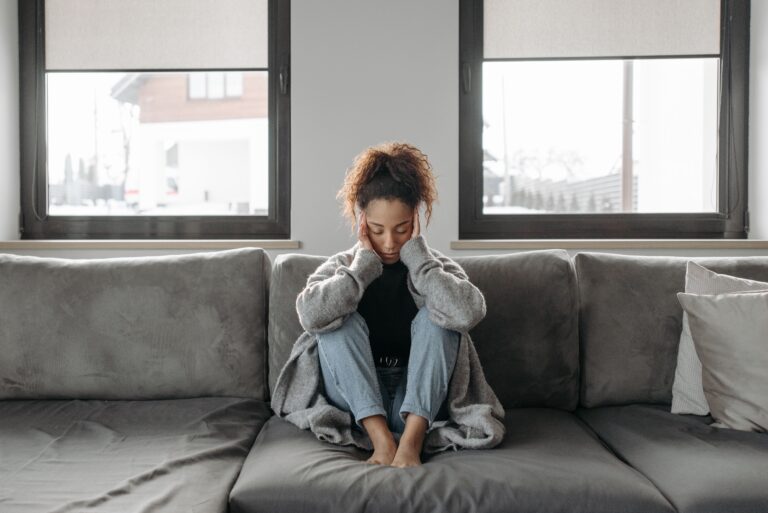
During perimenopause, many women report increased anxiety, low mood, irritability, brain fog, and a sense of emotional overwhelm that can feel unfamiliar and, at times, frightening. What makes this particularly challenging is that these symptoms are often misunderstood or dismissed, both by society and, at times, by healthcare systems. Menopause itself marks the point at which menstrual cycles cease, typically occurring between the ages of 45 and 55, this is not a singular moment, it is a profound physiological transition. The decline in oestrogen affects not only reproductive health but also bone density, cardiovascular function, cognition, and emotional regulation. Mental health during menopause is an area gaining increasing attention, yet awareness remains limited. Recent findings highlighted in UK research show that many women are unaware that menopause can trigger experiences such aa anxiety and depression. This lack in awareness can lead to misdiagnosis, delayed treatment, and a deep sense of isolation for those experiencing these changes.
There is something deeply important to acknowledge here, women’s mental health does not simply mirror men’s. It often presents differently, shaped not only by biology but by social context. Statistically, women experience higher rates of anxiety and depression than men. Data shows significantly higher prevalence rates of anxiety and depressive disorders among women globally. Yet paradoxically, women are also more likely to seek help, to articulate their emotions, and to engage with therapeutic support. Men, on the other hand, are more likely to externalise distress, through anger, substance use, or withdrawal and are statistically less likely to seek help. This has profound implications, particularly when considering rates of suicide, which remain higher in men.
But the differences go beyond biology, they are deeply rooted in societal conditioning. Because from a young age, women are often given greater permission to express emotion. Becoming upset, feeling vulnerable and being able to be emotionally open are, to some extent, socially acceptable for women in ways they are not for men. While this can allow an emotional release and connection, it also creates a double-edged reality. Women’s emotions may be more visible, but they are also more likely to be dismissed, minimised, or attributed to hormones. The age-old narrative of women being “emotional” has, in many ways, undermined the seriousness with which our health concerns are taken. Research continues to show that women’s pain and symptoms are more likely to be dismissed, which brings us to a broader and more uncomfortable truth, women’s health has historically been underfunded and under-researched.
Despite women making up half the global population, only a small fraction of healthcare research funding is dedicated to female-specific conditions. Recent reports indicate that just around 1% of healthcare research and development funding is directed towards conditions specific to women outside of cancer. This is not simply a statistic, it is a reflection of longstanding systemic bias. Historically, women were excluded from clinical trials due to concerns about hormonal variability. While this was framed as a methodological issue, its consequences have been far-reaching because much of what we understand about disease, medication, and treatment has been based on male physiology, leaving significant gaps in knowledge when it comes to women’s bodies. Even today, research into menopause, menstrual health, and female-specific conditions lags behind. A 2025 study examining women’s health funding over a 15-year period found consistently low levels of investment and a narrow focus in research priorities. This lack of funding not only limits scientific understanding but also affects the quality of care available to women.
The economic dimension to this inequality, has been linked to reduced workforce participation and income loss, highlighting how biological transitions intersect with social and financial realities. Women are often navigating these changes at a time when they may also be balancing careers, caregiving responsibilities, and shifting identities and yet, despite these challenges, there is a quiet resilience that runs through women’s health. Here at Tranqility Tribe, we begin not with what is lacking, but with what is possible. We recognise that while systemic change is essential, individual empowerment is equally powerful. Supporting women through perimenopause and menopause requires a holistic approach, one that honours both the body and the emotional experience.
For example, nutrition plays a foundational role, as oestrogen levels decline, the body’s needs shift. Foods rich in phytoestrogens, such as flaxseeds and legumes, may help support hormonal balance. Calcium and vitamin D become increasingly important for bone health, while anti-inflammatory foods support overall wellbeing. Movement, too, becomes a form of essential medicine. Weight-bearing exercise supports bone density, while gentle practices such as yoga and walking help regulate the nervous system and reduce stress. Importantly, movement during this stage should be nurturing rather than punishing, a way of reconnecting with the body rather than controlling it. Sleep, is often disrupted during menopause and becomes a sacred pillar of health. Creating rituals around rest, reducing stimulation, embracing stillness, and honouring the body’s need for recovery, will have profound effects on both physical and emotional wellbeing.
Medical Herbalism supports and offers another layer of care. Plants such as sage, red clover, and black cohosh have traditionally been used to ease menopausal symptoms, while adaptogens like ashwagandha can support the body’s stress response. These natural allies, when used medicinally, can gently guide the body through transition. But perhaps the most important element is understanding, mood changes are not a personal failing, but a physiological response. Understanding that fatigue is not laziness, but a signal and that this phase of life is not an ending, but a transformation. There is a need to shift the narrative around women’s health more broadly. To move away from silence and stigma, and towards openness and education. To create spaces where women feel seen, heard, and supported not dismissed or overlooked.
The research is clear, women’s mental health outcomes are shaped not only by biology but by social, economic, and cultural factors. Caregiving roles, financial stress, and societal expectations all contribute to the mental health landscape for women. Even on a global scale, studies show that while women may report higher life satisfaction, but they also experience higher levels of negative emotions and poorer mental health outcomes compared to men. This paradox speaks to the complexity of women’s experiences, a balancing act between resilience and burden and so, the conversation around women’s health must evolve. It must become more inclusive, more informed, and more compassionate. It must recognise that women’s experiences are not secondary or niche, but central to the health of society as a whole.
There is a quiet revolution happening in this space, a growing awareness, a reclaiming of voice, a refusal to accept dismissal as the norm. From increased advocacy to emerging research, the tide is beginning to turn, but there is still much work to be done. In the meantime, within the spaces we create within Tranquility Tribe, we hold space for women to reconnect with themselves. To understand their bodies not as problems to be fixed, but as systems to be supported. To move through the seasons of life with awareness, compassion, and strength, because women’s health is not just about hormones or symptoms. It is about identity, experience, and the right to be heard.
And when we begin to truly listen to the body, to the science, and to each other, we create the conditions not just for survival, but for deep and lasting wellbeing.