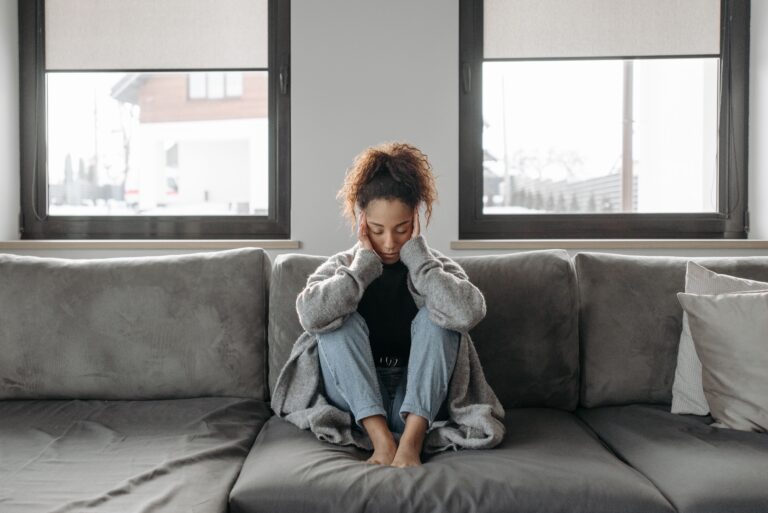
There comes a moment, often quiet and easily overlooked, when something within us begins to whisper that the way we are living is no longer sustainable.
It is not always a breaking point. It does not always arrive as collapse or crisis. More often, it is subtle. A tiredness that sleep does not quite resolve. A sense of disconnection in spaces that once felt familiar. A feeling that, despite doing all that is expected of us, something essential is being missed.
In the rhythm of modern life, particularly within the demands of work, it is easy to drift away from ourselves. Not suddenly, but gradually. We adapt, we push through, we meet expectations, we keep going. And in doing so, we often lose sight of the delicate balance that allows us not just to function, but to truly live.
Balance is a word that is used often yet rarely understood in its fullest sense. It is not a perfect distribution of time, nor a rigid structure where everything is evenly held. It is something far more fluid, far more human. Balance is a relationship, a living, breathing connection between the different parts of our lives.
It is the space where work meets rest. Where responsibility meets presence. Where giving meets receiving, and perhaps most importantly, it is the place where we meet ourselves again. When we begin to explore work-related stress through this lens, we move away from the idea that balance is something to achieve, and toward the understanding that it is something to return to, again and again.
Work, in its essence, is not the enemy. It can offer purpose, structure, creativity, and connection. It can challenge us, stretch us, and allow us to contribute in meaningful ways. Yet, when it begins to take more than it gives, when it overshadows the other dimensions of our lives, imbalance begins to take hold.
This is where self-nurture becomes not a luxury, but a necessity. To nurture oneself is not simply to rest when we are exhausted, but to listen before exhaustion arrives. It is to notice the early signals, the tension in the body, the shortening of breath, the irritability that creeps in, the longing for space. These are not inconveniences to be pushed aside, but messages to be honoured.
In a world that often encourages us to override these signals, choosing to listen is an act of quiet courage, and yet, many of us do not know how to begin. We have been taught how to achieve, how to perform, how to meet expectations. But we have not always been shown how to care for ourselves in a way that is consistent, compassionate, and sustainable.
This is where support becomes so important, within spaces within Tranquility Tribe, there is an opportunity to reconnect with that guidance. Not in a way that tells us who to be, but in a way that helps us remember. Through a variety of practitioners, each offering their own
perspective and expertise, individuals are gently supported in exploring what balance looks like for them.
Because balance is deeply personal. For one person, it may involve learning to slow down, to soften the constant drive to do more. For another, it may be about rediscovering motivation and reconnecting with purpose. For some, it may be emotional support, creating space to process feelings that have been held for too long. For others, it may be physical, releasing tension stored within the body, reconnecting with breath, movement, and stillness.
There is no single path and that, in itself, is part of the healing. When we allow ourselves to be supported in this way, something begins to shift. We no longer feel as though we are carrying everything alone. We begin to understand that balance is not about getting it right all the time, but about having the awareness and the tools to gently recalibrate when things begin to feel off.
Yet, balance does not exist solely within the space of work or structured support. It extends into the way we live our lives beyond these environments. Our relationships, for example, play a profound role in our sense of well-being. When work-related stress becomes overwhelming, it can quietly seep into our connections with others. We may become less present, more reactive, more withdrawn. Conversations may feel shorter, patience thinner, energy limited. And over time, this can create a sense of distance, not only from others, but from the parts of us that feel most connected and alive.
To bring balance back into our relationships is not about being perfect, but about being present. It is in the small moments. Sitting together without distraction. Listening, truly listening, without the pull of unfinished tasks. Allowing ourselves to be seen, not just in our strengths, but in our vulnerability. There is a deep nourishment that comes from genuine connection. It reminds us that we are not alone in our experiences. That beyond roles and responsibilities, there is a shared humanity that holds us all.
And then, there is nature. So often overlooked, yet always available, nature offers a kind of balance that requires no effort, no expectation, no performance. It simply is! To step outside, to feel the air, to notice the movement of trees, the rhythm of water, the stillness of open space, is to be reminded of something fundamental. Life does not rush in the way we do. It does not measure itself in productivity or success. It unfolds in its own time, in its own way. There is something deeply regulating about this.
When we spend time in nature, even briefly, our nervous system begins to settle. Our breath slows. Our thoughts soften. We are gently guided back into the present moment. In this space, clarity often arises, not because we are forcing it, but because we have created the conditions for it to emerge. Balance, then, is not something we create through control, but something we allow through connection.
Connection to ourselves, connection to others, connection to the world around us. Within this, there is also the connection to life itself, the parts of our existence that bring us joy, curiosity, and a sense of meaning beyond obligation.
It may be creativity, expression, movement, stillness, learning, or simply being. These elements are not extras. They are essential, they remind us that we are more than what we produce. They bring colour back into spaces that may have become grey and offer moments of lightness in the midst of responsibility.
When we begin to weave these elements back into our lives, even in small ways, balance starts to feel less like something distant, and more like something within reach. It is important to acknowledge, however, that this is not always easy. There will be times when work demands more, times when life feels heavy and times, when balance feels out of reach. This is part of being human.
The invitation is not to avoid these moments, but to meet them with compassion. To recognise when we are doing our best within the circumstances we are in, to soften the expectation that we must always have it all together and to allow space for imperfection.
Because balance is not found in perfection, it is found in awareness. In the willingness to notice when we have drifted, and to gently return, again and again. Perhaps this is the deeper understanding that sits beneath it all. That balance is not a destination, but a practice, a continuous unfolding, a relationship that evolves as we do. And within this practice, self-nurture becomes our anchor.
It is the quiet choice to check in with ourselves amidst the noise. The decision to rest when we need to, rather than when we are forced to with the courage to ask for support. The permission to step back and the gentleness to move forward at a pace that honours our well-being.
When we begin to live in this way, something shifts. Work no longer feels like something we must survive, nor something we must give ourselves entirely to. It becomes one part of a much larger, richer experience. Our relationships deepen, our connection to the world around us strengthens and most importantly, our connection to ourselves is restored.
So, if you find yourself searching for balance, feeling the weight of work-related stress, or simply sensing that something within you is asking for more, perhaps the invitation is not to do more, but to pause.
To listen.
To reconnect.
To take one small step toward yourself.
Because balance is not something outside of you.
It is something you carry within, waiting patiently to be remembered.
And in remembering, you begin to return, not just to balance, but to life itself.